
Liquid enters the suction port
As the gears unmesh, cavities open on the suction side and liquid is drawn into the pump casing.
Industrial gear pumps engineered for steady, pulse-reduced flow in oil transfer, lubrication, fuel handling, chemical dosing and high-viscosity process applications.
A gear pump is a positive displacement pump. Two gears rotate inside a close-clearance casing, trapping liquid between the gear teeth and casing, carrying it from suction to discharge, and pushing it out as the teeth mesh again.
As the gears unmesh, cavities open on the suction side and liquid is drawn into the pump casing.
The liquid is trapped between the gear teeth and casing, then carried around the outer path of the gears.
When the teeth mesh on the outlet side, the trapped volume reduces and pushes liquid into the discharge line.
Because each rotation displaces a fixed volume, flow is controlled by speed and pressure protection is important.
Gear pumps are selected when the process needs controlled displacement, compact construction and dependable movement of lubricating or viscous liquids across plant utilities and production lines.
For oil unloading, day tanks, burner feed, hydraulic fluid and lubrication circulation duties.
Useful for compatible chemicals, resins, polymers, additives and process liquids with higher viscosity.
Compact positive displacement pumping for packages, filtration systems and machine lubrication modules.
Compare AERN, SS, AFP Series and Helical Gear Pump options, then share your liquid details for a suitable flow, pressure, material and sealing recommendation.
External gear pump series for dependable oil, fuel, lubrication and viscous transfer duties in industrial plants.
Stainless steel gear pump option for compatible chemicals, hygienic utilities and corrosion-aware process applications.
Industrial gear pump range for controlled positive displacement transfer where pressure, viscosity and repeatability matter.
Helical gear design for smoother operation, lower pulsation and reliable movement of oils and viscous liquids.
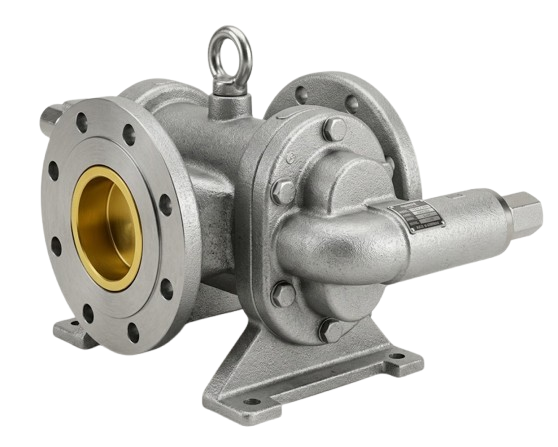
The AERN Series Gear Pump is a compact and robust positive displacement pump designed for precise transfer of viscous liquids in industrial applications.
View Details
SS Series Gear Pumps are high-precision stainless steel pumps designed for hygienic and corrosion-resistant fluid transfer in food, pharma, and chemical industries.
View Details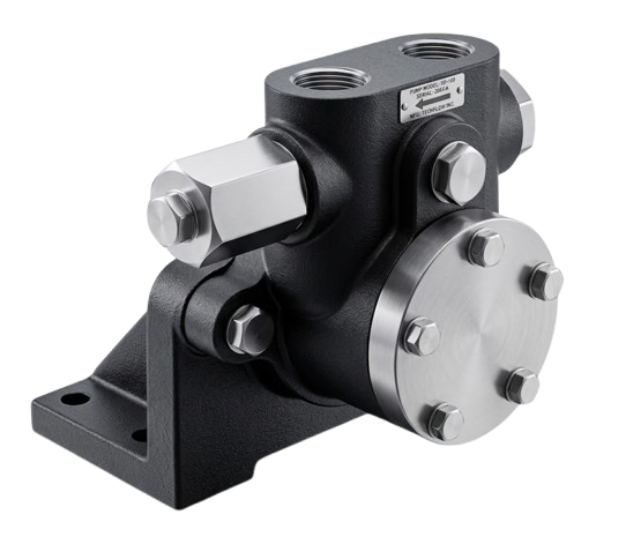
AFP Series Fuel Pressurizing Internal Gear Pump is a high-precision positive displacement internal gear pump designed for fuel pressurizing, injection, lubrication, and oil transfer applications. It offers reliable performance, self-priming capability, high suction lift, and efficient handling of low to medium viscosity liquids.
View Details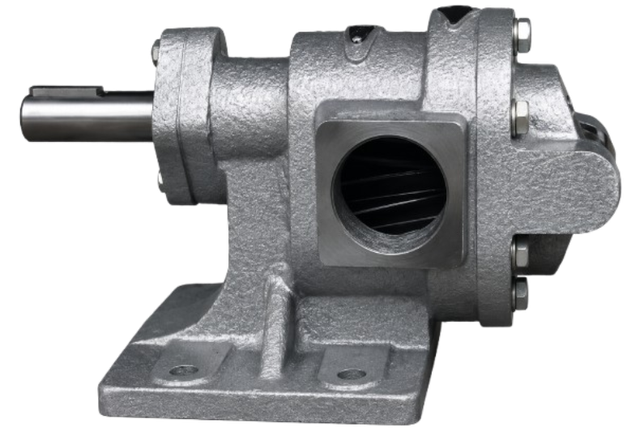
The SD/SG Series Helical Gear Pump is a robust positive displacement pump designed for efficient transfer of viscous liquids, oils, petroleum products, and industrial fluids. It features single helical gears, hardened and ground shafts, and delivers smooth, pulsation-free flow with capacities up to 500 LPM and pressure up to 10 kg/cm².
View DetailsUse this comparison as a first selection guide. Final pump choice should be confirmed with flow, pressure, viscosity, suction condition, temperature, chemical compatibility and duty cycle.
| Selection point | Gear pump | Centrifugal pump | Screw pump | AODD pump |
|---|---|---|---|---|
| Best suited for | Viscous oils, fuels, lubricants, resins and controlled transfer duties. | High-flow movement of clean or low-viscosity liquids at steady head. | Very smooth transfer of viscous, lubricating or shear-sensitive liquids. | Variable liquids, corrosive fluids, suction lift, drums and intermittent transfer. |
| Flow character | Positive displacement with steady, accurate flow proportional to speed. | Flow changes with head, impeller size, speed and system resistance. | Low-pulsation positive displacement, often preferred for gentle handling. | Pulsating flow; dampeners can be used where smoother discharge is needed. |
| Viscosity handling | Strong choice for medium to high viscosity liquids. | Best for low viscosity; performance drops as viscosity rises. | Excellent for high viscosity and lubrication-type duties. | Handles changing viscosity well, depending on material and air supply. |
| Pressure capability | Good for higher pressure transfer when relief protection is provided. | Depends on pump curve and stage design; multistage options suit high head. | Good for pressure and long transfer lines with suitable drive selection. | Limited by air pressure and pump design, but very flexible in installation. |
| Dry running and solids | Not preferred for dry running or abrasive solids; clean, lubricating liquids are better. | Usually needs priming and careful selection for slurry or solids. | Not ideal for hard abrasive solids unless specifically engineered. | Often suitable for dry-run tolerance, solids and difficult suction conditions. |
| Typical buying reason | Compact, efficient, controlled transfer of viscous industrial liquids. | Efficient continuous transfer where liquid is clean and flow demand is higher. | Premium smooth flow for oils, fuels and sensitive viscous media. | Versatility, air operation, portability and chemical handling flexibility. |
Answers to common questions from buyers comparing gear pumps for oil transfer, viscous liquids and process applications.
A gear pump is commonly used for transferring viscous liquids such as oil, fuel, lubricants, resin, syrup, additives and compatible chemicals. It is selected when steady positive displacement flow and compact construction are important.
A gear pump works by rotating two meshing gears inside a close-clearance casing. Liquid enters the suction side, is trapped between the gear teeth and casing, moves around the outside of the gears, and is pushed out through the discharge port as the teeth mesh again.
Choose a gear pump when the liquid is more viscous, the flow needs to remain controlled against pressure, or the duty involves oil, fuel or lubrication transfer. A centrifugal pump is usually better for clean, low-viscosity liquids at higher flow rates.
Yes, selected gear pumps can handle compatible chemicals, but the material of construction, shaft seal, elastomers, temperature and corrosion risk must be checked. Chemical name, concentration and temperature should be shared before selection.
Gear pumps can have good priming capability with suitable installation and liquid conditions, especially for lubricating liquids. However, suction lift, vapor pressure, viscosity, pipe size and running speed must be reviewed to avoid cavitation or dry running.
Gear pumps should not be run dry for extended periods. The pumped liquid often helps lubricate and cool internal parts, so dry running can damage gears, bushings and seals. Dry-run protection is recommended where supply may stop.
Share flow rate, discharge pressure or head, liquid name, viscosity, temperature, specific gravity, suction condition, duty hours, pipe size, motor requirement, material preference and seal requirement. These details help avoid under-sizing or over-sizing.
AERN Series is commonly positioned for oil, fuel and lubrication transfer. SS Series is reviewed for stainless steel or corrosion-aware duties. AFP Series suits controlled industrial transfer, while Helical Gear Pumps are selected when smoother flow and lower pulsation are preferred.
A relief valve or pressure protection is strongly recommended because gear pumps are positive displacement pumps. If the discharge line is blocked, pressure can rise quickly and damage the pump, motor, pipework or connected equipment.
Gear pumps are usually not preferred for hard abrasive slurry, large solids, non-lubricating dry service or liquids that can damage the selected materials. For such duties, AODD, centrifugal slurry or other pump designs may be better.
Share flow rate, discharge pressure, liquid, viscosity, temperature, duty hours and material preference. Sando Rotary can help shortlist the right configuration for your plant.